
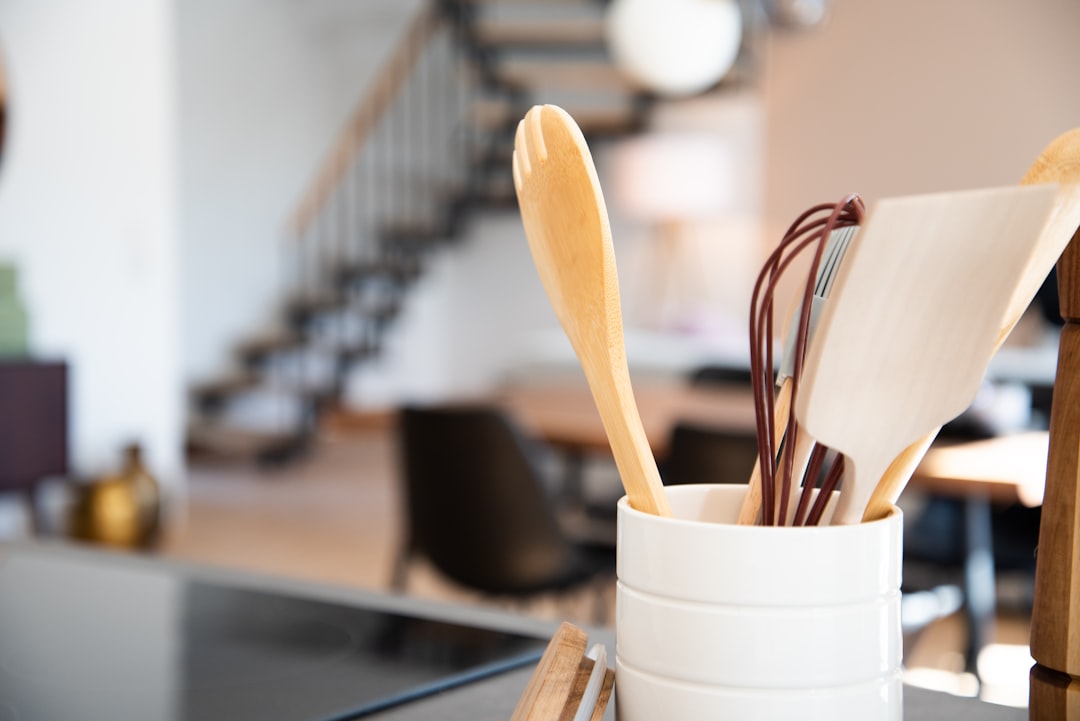
Choosing the right cooking utensils can be a daunting task, especially for those who are just starting their culinary journey. With so many options available, it’s easy to feel overwhelmed. However, understanding your needs and preferences can simplify the selection process significantly. This guide will help you navigate the world of cooking tools, ensuring that you make informed decisions that enhance your cooking experience.
Understanding Your Cooking Style
Before diving into the specifics of cooking utensils, it’s essential to consider your cooking style. Are you a casual cook who enjoys whipping up quick meals, or do you aspire to be a gourmet chef? For instance, Sarah, a busy mom of three, found herself struggling to prepare healthy meals amidst her hectic schedule. She realized that investing in versatile utensils could save her time and effort in the kitchen. By understanding her cooking style, she was able to choose tools that catered to her needs, such as a multi-functional food processor and durable non-stick pans.
Identifying your cooking style not only helps in selecting the right tools but also enhances your overall cooking experience. If you often experiment with different cuisines, consider investing in specialized utensils like a sushi mat or a pasta maker. On the other hand, if you prefer simple, everyday meals, a good set of knives and basic cookware may suffice. The key is to align your utensil choices with your culinary habits to maximize efficiency and enjoyment.
Material Matters
The material of cooking utensils plays a crucial role in their performance and longevity. Common materials include stainless steel, silicone, wood, and plastic, each with its advantages and disadvantages. For example, stainless steel utensils are known for their durability and resistance to heat, making them ideal for high-temperature cooking. However, they can be heavy and may scratch non-stick surfaces if not used carefully.
On the other hand, silicone utensils are lightweight and heat-resistant, perfect for delicate tasks like folding batter or scraping bowls. Sarah discovered that using silicone spatulas helped her avoid damaging her non-stick pans while baking. Ultimately, the choice of material should reflect your cooking habits and the types of cookware you use. Consider how each material interacts with your cooking methods to make the best selection.
Essential Utensils for Every Kitchen
While the variety of cooking utensils can be overwhelming, there are a few essentials that every kitchen should have. A good set of knives is paramount, as they are the foundation of efficient food preparation. Sarah invested in a quality chef’s knife, which made chopping vegetables and slicing meats a breeze. Additionally, a sturdy cutting board and measuring cups are indispensable for accurate cooking.
Other essential utensils include mixing bowls, spatulas, and a whisk. These tools are versatile and can be used for a wide range of tasks, from mixing ingredients to flipping pancakes. Sarah found that having a well-stocked utensil drawer made her cooking process smoother and more enjoyable. By focusing on the essentials, you can build a functional kitchen without unnecessary clutter.
Investing in Quality vs. Quantity
When it comes to cooking utensils, quality often trumps quantity. It can be tempting to purchase a large set of inexpensive tools, but these may not withstand the test of time. Instead, consider investing in a few high-quality pieces that will serve you well for years to come. Sarah learned this lesson the hard way after her cheap utensils broke during a crucial moment while preparing dinner for guests.
Quality utensils not only perform better but also enhance your cooking experience. They can make tasks easier and more enjoyable, leading to better results in the kitchen. Look for utensils with good reviews and warranties, as these often indicate a commitment to quality. By prioritizing quality over quantity, you’ll find that your cooking becomes more efficient and satisfying.
Maintaining Your Cooking Utensils
Proper maintenance of your cooking utensils is essential for their longevity. Regular cleaning and careful storage can prevent damage and keep your tools in top condition. For instance, Sarah learned to hand wash her knives instead of putting them in the dishwasher, which helped maintain their sharpness and integrity. Additionally, storing utensils properly, such as using a utensil holder or drawer organizer, can prevent scratches and wear.
It’s also important to periodically check your utensils for signs of wear and tear. If you notice any damage, such as cracks in plastic utensils or rust on metal tools, it’s time to replace them. By taking care of your cooking tools, you’ll ensure they remain effective and safe to use. Lesson learned: investing in quality utensils and maintaining them properly can significantly enhance your cooking experience.